How to Generate Agricultural Descriptions with AI?
In the modern age of technology, artificial intelligence (AI) has become a transformative force across various industries. One area where AI is making significant strides is in the field of agriculture. Imagine AI as a digital farmer, working tirelessly to cultivate data and generate insightful descriptions that can revolutionize the way we approach agricultural practices. In this article, we will explore how to generate agricultural descriptions with AI, delving into the benefits, methodologies, and potential applications of this cutting-edge technology.
The Role of AI in Agriculture
Before we dive into the specifics of generating agricultural descriptions with AI, it's essential to understand the broader role of AI in agriculture. AI is akin to a seasoned agronomist, capable of analyzing vast amounts of data to provide actionable insights. From predicting crop yields to optimizing irrigation schedules, AI is helping farmers make informed decisions that enhance productivity and sustainability.
Understanding Agricultural Descriptions
Agricultural descriptions encompass a wide range of information, including crop characteristics, soil conditions, weather patterns, and pest management strategies. These descriptions serve as a valuable resource for farmers, agronomists, and researchers, enabling them to make data-driven decisions. However, generating accurate and comprehensive agricultural descriptions can be a time-consuming and labor-intensive process.
How AI Generates Agricultural Descriptions
AI leverages advanced algorithms and machine learning techniques to automate the process of generating agricultural descriptions. Think of AI as a master chef, meticulously combining ingredients (data) to create a delectable dish (description). Here's a step-by-step breakdown of how AI accomplishes this:
- Data Collection: AI systems gather data from various sources, including satellite imagery, weather stations, soil sensors, and historical records. This data forms the foundation for generating accurate descriptions.
- Data Processing: The collected data is processed and analyzed using machine learning algorithms. AI identifies patterns and correlations that may not be immediately apparent to human observers.
- Model Training: AI models are trained on vast datasets to recognize specific agricultural features and trends. This training process is akin to teaching a student to identify different plant species based on their characteristics.
- Description Generation: Once the AI model is trained, it can generate detailed agricultural descriptions. These descriptions can include information on crop health, soil fertility, pest infestations, and more.
Benefits of Using AI for Agricultural Descriptions
The integration of AI in generating agricultural descriptions offers numerous benefits, akin to having a knowledgeable farmhand who never tires. Here are some key advantages:
- Accuracy: AI can analyze vast amounts of data with precision, reducing the likelihood of human error.
- Efficiency: AI can generate comprehensive descriptions in a fraction of the time it would take a human expert.
- Scalability: AI can handle large-scale agricultural operations, making it suitable for both small farms and large agribusinesses.
- Cost-Effectiveness: By automating the description generation process, AI can help reduce labor costs and improve overall profitability.
Applications of AI-Generated Agricultural Descriptions
The potential applications of AI-generated agricultural descriptions are vast and varied. Here are some noteworthy examples:
- Precision Farming: AI-generated descriptions can help farmers implement precision farming techniques, optimizing the use of resources such as water, fertilizers, and pesticides.
- Crop Monitoring: AI can provide real-time insights into crop health, enabling farmers to take proactive measures to address issues such as nutrient deficiencies or pest infestations.
- Yield Prediction: AI can analyze historical data and current conditions to predict crop yields, helping farmers plan their harvests and manage supply chains more effectively.
- Soil Management: AI-generated descriptions can offer valuable information on soil conditions, guiding farmers in implementing soil conservation practices and improving soil fertility.
- Climate Adaptation: AI can help farmers adapt to changing climate conditions by providing insights into weather patterns and recommending appropriate crop varieties and planting schedules.
Challenges and Considerations
While AI holds immense promise for generating agricultural descriptions, it's important to acknowledge the challenges and considerations associated with its implementation. Here are some key points to keep in mind:
- Data Quality: The accuracy of AI-generated descriptions depends on the quality of the input data. Ensuring reliable and up-to-date data is crucial for achieving accurate results.
- Technical Expertise: Implementing AI solutions requires technical expertise and infrastructure. Farmers and agribusinesses may need to invest in training and technology to fully leverage AI capabilities.
- Ethical Considerations: The use of AI in agriculture raises ethical questions related to data privacy, ownership, and the potential displacement of human labor. These issues must be carefully addressed to ensure responsible AI adoption.
The Future of AI in Agriculture
As AI continues to evolve, its impact on agriculture is expected to grow exponentially. Imagine AI as a visionary farmer, constantly innovating and finding new ways to enhance agricultural practices. Here are some potential future developments:
- Integration with IoT: The combination of AI and the Internet of Things (IoT) can create a connected ecosystem where sensors and devices communicate seamlessly to provide real-time insights.
- Advanced Predictive Analytics: AI's predictive capabilities will become even more sophisticated, enabling farmers to anticipate and mitigate risks with greater accuracy.
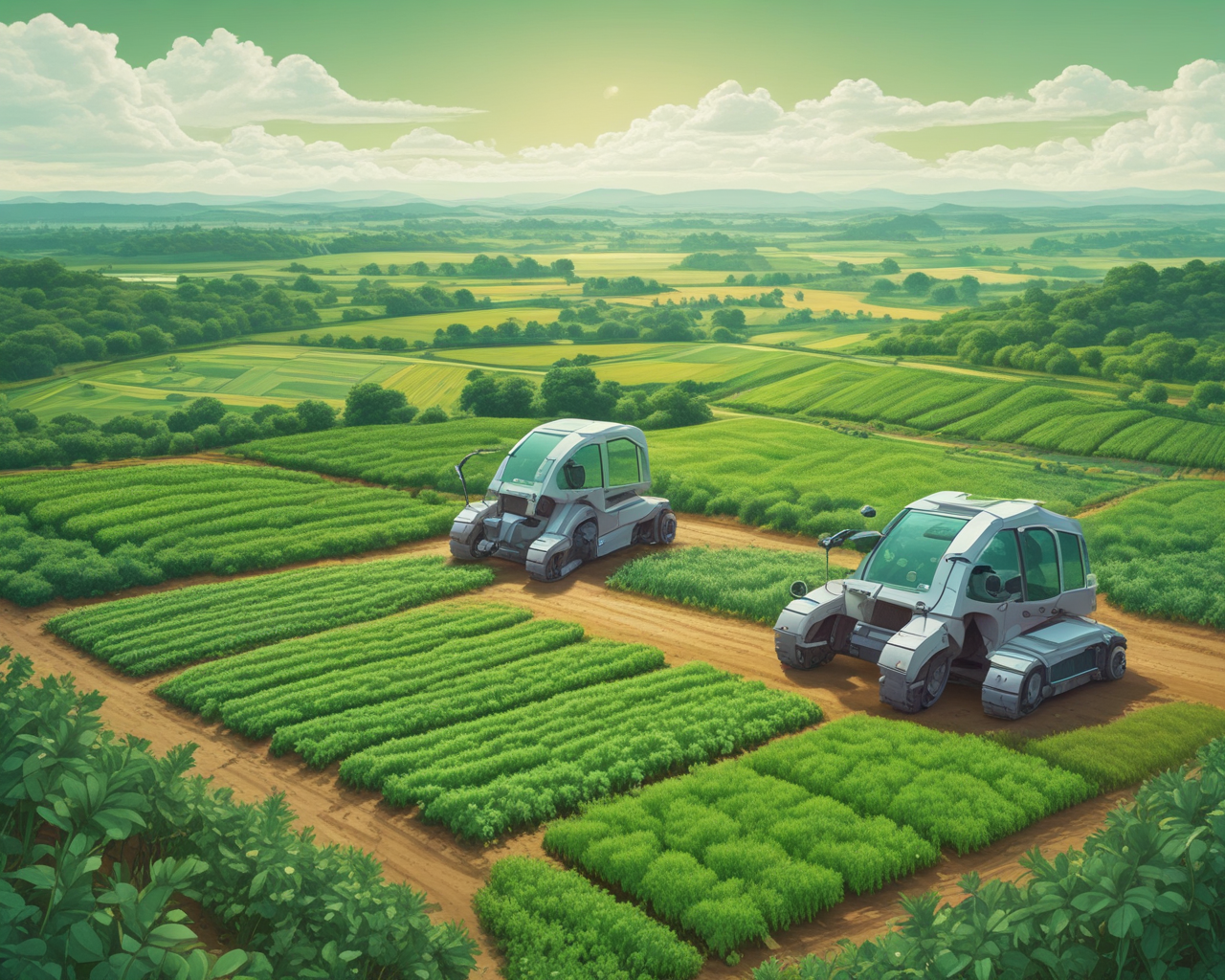
- Robotic Automation: AI-powered robots could take over labor-intensive tasks such as planting, harvesting, and monitoring, further increasing efficiency and productivity.
- Personalized Farming Solutions: AI could offer personalized recommendations tailored to individual farms, taking into account unique conditions and preferences.
Conclusion
In conclusion, AI is poised to revolutionize the way we generate agricultural descriptions, offering a wealth of benefits that can enhance productivity, sustainability, and profitability. By leveraging advanced algorithms and machine learning techniques, AI can automate the process of generating accurate and comprehensive agricultural descriptions, providing farmers with valuable insights to make informed decisions. As we look to the future, the integration of AI in agriculture promises to usher in a new era of innovation and efficiency.
For those in the real estate sector looking to harness the power of AI for generating property descriptions, Relisting AI offers a fast and easy solution. Create listings in under 1 minute! Visit Relisting AI to learn more.