

Offering Eco-Friendly Homes: A Sustainable Future in Real Estate
In a world where environmental concerns are at the forefront of global discussions, the real estate industry is not left behind. Offering eco-friendly homes is no longer a niche market but a burgeoning trend that promises a sustainable future. This article delves into the importance, benefits, and future of eco-friendly homes, while also highlighting how technology, like that offered by Relisting AI, is revolutionizing the real estate landscape.
The Importance of Eco-Friendly Homes
Imagine a world where homes are not just shelters but active participants in conserving the environment. Eco-friendly homes are designed with this very ethos in mind. They aim to reduce the carbon footprint and promote a healthier living environment. But why is this important?
First and foremost, the construction and maintenance of traditional homes contribute significantly to environmental degradation. From deforestation for raw materials to the emission of greenhouse gases during construction, the impact is profound. Eco-friendly homes, on the other hand, utilize sustainable materials and energy-efficient technologies to minimize this impact.
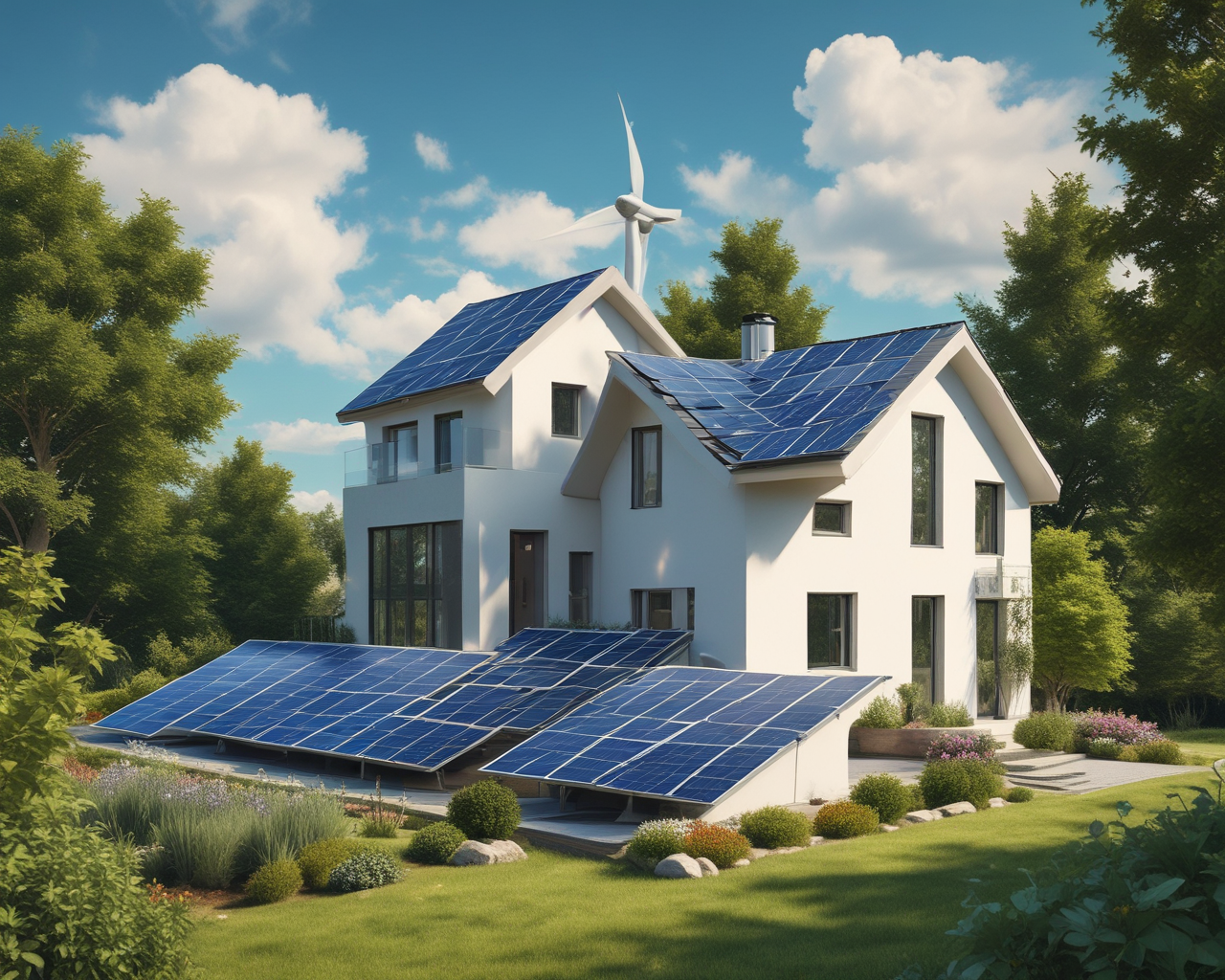
Moreover, these homes often incorporate renewable energy sources such as solar panels and wind turbines, which further reduce reliance on fossil fuels. They also feature water-saving fixtures and sustainable landscaping, which conserve water resources. In essence, eco-friendly homes are a step towards a more sustainable and responsible way of living.
Benefits of Eco-Friendly Homes
Eco-friendly homes offer a plethora of benefits that extend beyond environmental conservation. Let's explore some of these advantages:
- Cost Savings: Although the initial investment in eco-friendly homes may be higher, the long-term savings are substantial. Energy-efficient appliances and renewable energy sources can significantly reduce utility bills.
- Health Benefits: Eco-friendly homes often use non-toxic materials and have better air quality, which can lead to improved health and well-being for the occupants.
- Increased Property Value: As more people become environmentally conscious, the demand for eco-friendly homes is on the rise. This can lead to higher property values and a better return on investment.
- Government Incentives: Many governments offer incentives such as tax breaks and grants for building or purchasing eco-friendly homes. These incentives can offset the initial costs and make eco-friendly homes more affordable.
Features of Eco-Friendly Homes
Eco-friendly homes are characterized by several key features that set them apart from traditional homes. These features are designed to promote sustainability and energy efficiency:
- Energy-Efficient Appliances: Eco-friendly homes are equipped with appliances that consume less energy, reducing both utility bills and environmental impact.
- Renewable Energy Sources: Solar panels, wind turbines, and geothermal systems are commonly used to generate clean energy.
- Water Conservation: Low-flow fixtures, rainwater harvesting systems, and drought-resistant landscaping help conserve water.
- Sustainable Materials: These homes use materials that are recycled, reclaimed, or sustainably sourced, reducing the need for new raw materials.
- Smart Home Technology: Automated systems for lighting, heating, and cooling optimize energy use and enhance convenience.
The Role of Technology in Promoting Eco-Friendly Homes
Technology plays a pivotal role in the development and promotion of eco-friendly homes. From advanced construction techniques to smart home systems, technology is the backbone of sustainable living.
One of the most significant technological advancements is the use of artificial intelligence (AI) in real estate. AI can analyze vast amounts of data to identify the most sustainable building materials, optimize energy use, and even predict maintenance needs. This not only enhances the efficiency of eco-friendly homes but also makes them more accessible to a broader audience.
Relisting AI, for instance, offers a unique solution for real estate professionals. With its fast and easy real estate listing descriptions by AI, it allows agents to create listings in under 1 minute. This not only saves time but also ensures that eco-friendly features are highlighted effectively, attracting environmentally conscious buyers.
Visit Relisting AI to learn more about how technology is transforming the real estate industry.
Challenges in Promoting Eco-Friendly Homes
While the benefits of eco-friendly homes are clear, there are several challenges that need to be addressed to promote their widespread adoption:
- High Initial Costs: The initial investment in eco-friendly homes can be higher than traditional homes, which can be a deterrent for some buyers.
- Lack of Awareness: Many people are still unaware of the benefits of eco-friendly homes or how to go about building or purchasing one.
- Regulatory Hurdles: Building codes and regulations can vary widely, making it challenging to implement eco-friendly practices consistently.
- Limited Availability: Eco-friendly homes are not yet widely available, particularly in certain regions, limiting options for interested buyers.
The Future of Eco-Friendly Homes
The future of eco-friendly homes looks promising, with several trends and innovations on the horizon:
- Increased Adoption of Renewable Energy: As renewable energy technologies become more affordable and efficient, their adoption in eco-friendly homes is expected to increase.
- Advancements in Sustainable Materials: Research and development in sustainable materials are leading to new and innovative building products that are both eco-friendly and cost-effective.
- Smart Home Integration: The integration of smart home technology with eco-friendly features will enhance energy efficiency and convenience.
- Government Support: Continued government support in the form of incentives and regulations will drive the adoption of eco-friendly homes.
- Community Initiatives: Community-driven initiatives and collaborations will play a crucial role in promoting sustainable living practices.
Conclusion
Offering eco-friendly homes is not just a trend but a necessity for a sustainable future. These homes provide numerous benefits, from cost savings and health improvements to increased property values and government incentives. However, challenges such as high initial costs and regulatory hurdles need to be addressed to promote their widespread adoption.
Technology, particularly AI, is playing a crucial role in revolutionizing the real estate industry and making eco-friendly homes more accessible. Companies like Relisting AI are at the forefront of this transformation, offering fast and easy real estate listing descriptions by AI. This ensures that eco-friendly features are highlighted effectively, attracting environmentally conscious buyers.
As we look to the future, the adoption of renewable energy, advancements in sustainable materials, and the integration of smart home technology will drive the growth of eco-friendly homes. With continued government support and community initiatives, a sustainable future in real estate is within reach.
Visit Relisting AI to learn more about how technology is transforming the real estate industry and making eco-friendly homes a reality.
