

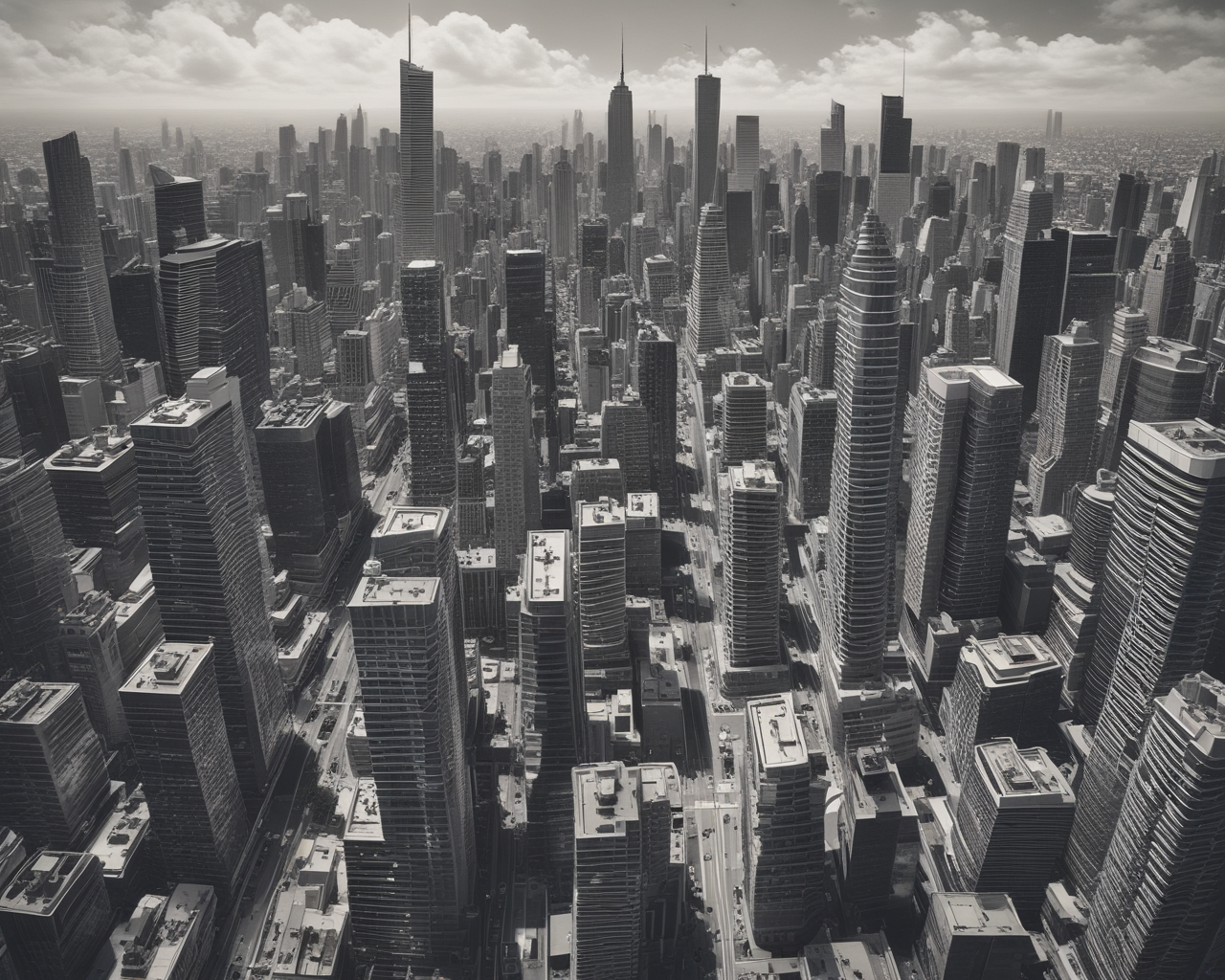
The Impact of Urbanization on Real Estate Trends
Urbanization is like a tidal wave that sweeps across landscapes, transforming rural areas into bustling metropolises. This phenomenon has far-reaching implications, particularly in the realm of real estate. From skyrocketing property prices to the emergence of smart cities, urbanization is reshaping how we live, work, and invest in property. In this article, we'll delve into the multifaceted impact of urbanization on real estate trends, exploring both the challenges and opportunities it presents.
The Rise of Urbanization: A Historical Perspective
Urbanization is not a new concept. It dates back to the Industrial Revolution when people flocked to cities in search of better job opportunities and living conditions. However, the pace of urbanization has accelerated dramatically in recent decades. According to the United Nations, over 55% of the world's population now resides in urban areas, a figure projected to rise to 68% by 2050.
This massive shift is akin to a river carving out new paths through the landscape, creating new opportunities and challenges for real estate developers, investors, and homeowners alike. The historical context helps us understand the roots of urbanization and its enduring impact on real estate.
Skyrocketing Property Prices: The Double-Edged Sword
One of the most noticeable impacts of urbanization is the surge in property prices. As more people move to cities, the demand for housing increases, driving up prices. This phenomenon can be likened to a high-stakes auction where bidders continuously outdo each other, pushing prices to new heights.
While rising property prices can be a boon for property owners and investors, they also pose significant challenges. For many, homeownership becomes a distant dream, leading to increased demand for rental properties. This, in turn, creates opportunities for real estate investors but also exacerbates issues related to housing affordability and inequality.
The Emergence of Smart Cities: The Future of Urban Living
Urbanization has also paved the way for the development of smart cities. These technologically advanced urban areas leverage data and technology to improve the quality of life for residents. Imagine a city where traffic lights adjust in real-time to reduce congestion, waste management systems optimize collection routes, and buildings are designed to be energy-efficient.
Smart cities represent the future of urban living, offering a plethora of opportunities for real estate developers and investors. However, they also come with their own set of challenges, including the need for substantial investment in infrastructure and the potential for increased surveillance and data privacy concerns.
Changing Demographics: The New Urban Dwellers
Urbanization is also reshaping the demographic landscape of cities. Younger generations, particularly Millennials and Gen Z, are increasingly drawn to urban areas for their vibrant culture, job opportunities, and amenities. This shift is akin to a new wave of settlers arriving in a frontier town, bringing with them different needs and preferences.
For real estate developers and investors, understanding these changing demographics is crucial. Younger urban dwellers often prioritize convenience and lifestyle over space, leading to a rise in demand for mixed-use developments, co-living spaces, and properties with easy access to public transportation and amenities.
Environmental Considerations: Building Sustainable Cities
As urbanization continues to accelerate, the environmental impact of cities becomes increasingly significant. Cities are often likened to giant sponges, absorbing vast amounts of resources and generating substantial waste and emissions. This has led to a growing emphasis on sustainable urban development.
Green buildings, renewable energy, and sustainable transportation options are becoming more prevalent as cities strive to reduce their environmental footprint. For real estate developers and investors, this trend presents both challenges and opportunities. Sustainable buildings often require higher upfront investment but can offer long-term savings and appeal to environmentally conscious buyers.
Infrastructure Development: The Backbone of Urban Growth
Infrastructure development is the backbone of urban growth. Just as a tree needs strong roots to grow, cities require robust infrastructure to support their expanding populations. This includes everything from transportation networks and utilities to healthcare facilities and schools.
Investment in infrastructure is crucial for the continued growth and development of urban areas. For real estate developers and investors, proximity to well-developed infrastructure can significantly enhance the value and appeal of properties. Conversely, inadequate infrastructure can stifle growth and lead to a host of challenges.
The Role of Technology in Real Estate: A Game Changer
Technology is playing an increasingly pivotal role in the real estate sector, transforming how properties are bought, sold, and managed. From virtual tours and online listings to blockchain-based transactions and AI-driven property management, technology is revolutionizing the industry.
One notable example is Relisting AI, a platform that leverages artificial intelligence to create fast and easy real estate listing descriptions. With Relisting AI, real estate professionals can create listings in under 1 minute, streamlining the process and enhancing efficiency. To learn more, visit Relisting AI.
Urbanization and Commercial Real Estate: A Symbiotic Relationship
Urbanization also has a significant impact on commercial real estate. As cities grow, the demand for office spaces, retail outlets, and industrial properties increases. This is akin to a bustling marketplace where traders and merchants set up shop to cater to the growing population.
For investors, commercial real estate in urban areas can offer lucrative opportunities. However, it also requires careful consideration of factors such as location, market trends, and tenant needs. The rise of e-commerce and remote work are also reshaping the commercial real estate landscape, creating both challenges and opportunities.
Urbanization and Social Equity: Bridging the Gap
While urbanization brings numerous benefits, it also highlights issues related to social equity. The rapid growth of cities can exacerbate inequalities, with marginalized communities often bearing the brunt of the negative impacts. This is akin to a garden where some plants thrive while others struggle to survive.
Addressing these issues requires a concerted effort from policymakers, developers, and communities. Affordable housing, inclusive urban planning, and equitable access to amenities and services are crucial for creating cities that are not only prosperous but also fair and inclusive.
The Future of Urbanization: Opportunities and Challenges
Looking ahead, the future of urbanization presents a complex tapestry of opportunities and challenges. As cities continue to grow and evolve, they will need to balance the demands of economic growth, environmental sustainability, and social equity. This is akin to a tightrope walker balancing multiple elements to maintain stability and progress.
For real estate developers, investors, and professionals, staying ahead of these trends is crucial. Embracing innovation, understanding changing demographics, and prioritizing sustainability will be key to navigating the evolving urban landscape.
Conclusion: Embracing the Urban Future
In conclusion, urbanization is a powerful force that is reshaping the real estate landscape in profound ways. From rising property prices and the emergence of smart cities to changing demographics and environmental considerations, the impact of urbanization is multifaceted and far-reaching.
For those in the real estate industry, understanding these trends and adapting to the changing urban environment is crucial for success. Platforms like Relisting AI can play a pivotal role in this process, offering fast and easy real estate listing descriptions to help professionals stay ahead of the curve. To learn more, visit Relisting AI and discover how you can create listings in under 1 minute!
As we embrace the urban future, it is essential to recognize the opportunities and challenges that lie ahead. By leveraging technology, prioritizing sustainability, and fostering inclusive growth, we can create cities that are not only vibrant and prosperous but also equitable and sustainable for generations to come.
