

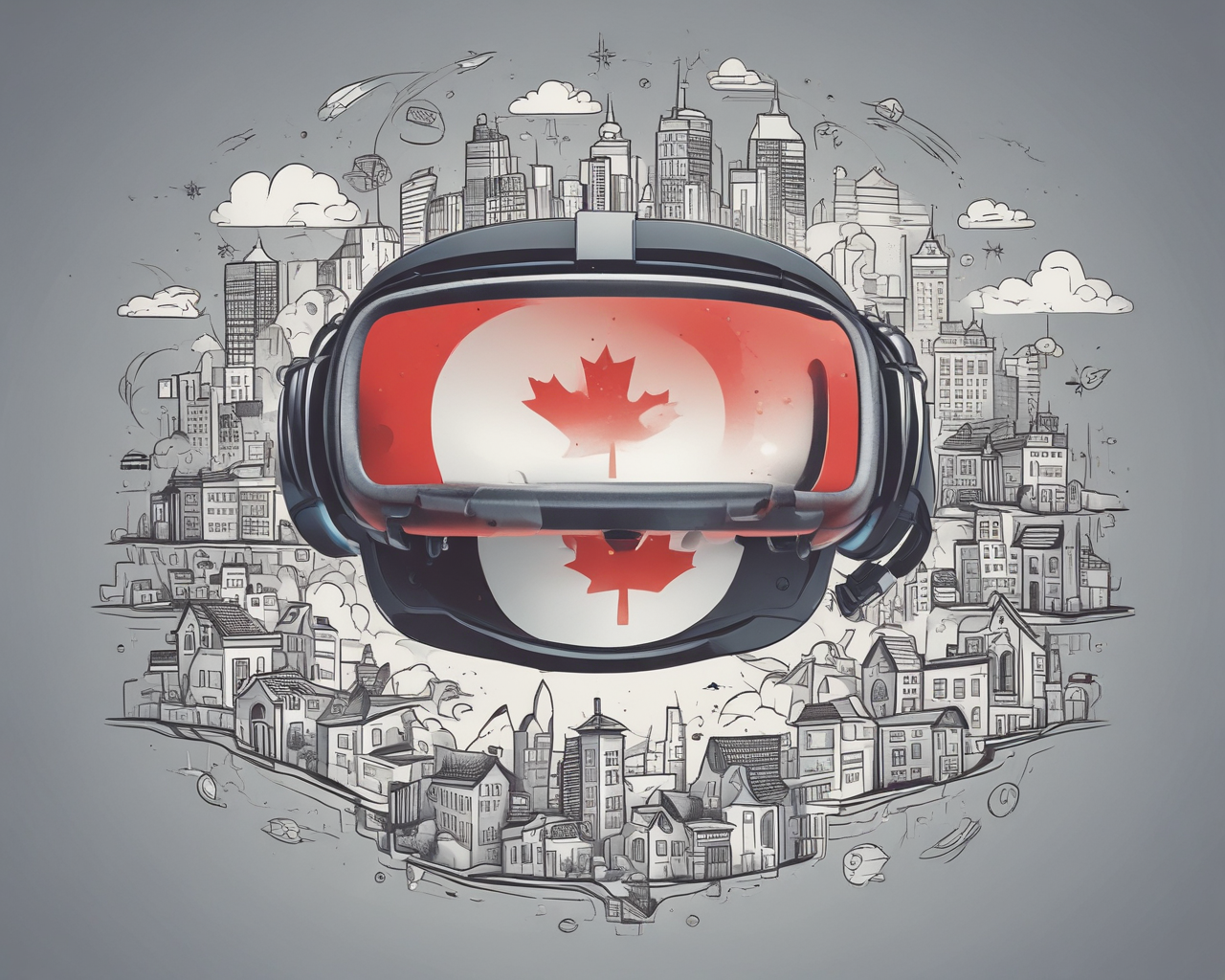
The Role of Virtual Reality in Real Estate Marketing
In the ever-evolving landscape of real estate marketing, virtual reality (VR) has emerged as a game-changer. Imagine walking through a dream home without leaving your couch, or exploring a commercial property across the globe in real-time. This is the magic of VR, a technology that is transforming the way properties are showcased and sold. In this article, we will delve into the myriad ways VR is revolutionizing real estate marketing, making it not only more efficient but also more engaging and immersive.
The Evolution of Real Estate Marketing
Real estate marketing has come a long way from the days of printed brochures and newspaper ads. The digital age ushered in online listings, virtual tours, and social media promotions, making it easier for buyers to find properties and for sellers to reach a wider audience. However, even with these advancements, there was still a gap in providing a truly immersive experience. Enter virtual reality.
What is Virtual Reality?
Before we dive into its applications in real estate, let's take a moment to understand what virtual reality is. VR is a simulated experience that can be similar to or completely different from the real world. It typically involves the use of a headset that covers the eyes and ears, immersing the user in a 3D environment. This environment can be navigated and interacted with, providing a sense of presence and immersion that traditional media cannot match.
How VR is Transforming Real Estate Marketing
Virtual reality is not just a gimmick; it is a powerful tool that offers numerous benefits for both buyers and sellers. Here are some of the key ways VR is transforming real estate marketing:
- Immersive Property Tours: One of the most significant advantages of VR is the ability to offer immersive property tours. Buyers can explore every nook and cranny of a property from the comfort of their own home. This not only saves time but also allows for a more thorough examination of the property.
- Global Reach: VR eliminates geographical barriers. A buyer in New York can explore a property in Tokyo without ever boarding a plane. This is particularly beneficial for international buyers and investors.
- Cost-Effective Staging: Traditional staging can be expensive and time-consuming. With VR, properties can be virtually staged with different furniture and décor styles, allowing buyers to visualize the potential of a space.
- Enhanced Marketing Materials: VR can be integrated into online listings, social media posts, and email campaigns, making marketing materials more engaging and interactive.
- Increased Buyer Confidence: By providing a more comprehensive view of a property, VR helps to build buyer confidence. This can lead to quicker decision-making and a higher likelihood of closing a sale.
Case Study: The Success of VR in Real Estate
To illustrate the impact of VR in real estate marketing, let's look at a case study. A real estate agency in Los Angeles decided to implement VR tours for their high-end properties. They invested in creating high-quality VR experiences for each property, complete with interactive features and detailed walkthroughs.
The results were astounding. Not only did they see an increase in the number of inquiries, but they also noticed that potential buyers were spending more time exploring the properties. This led to a higher conversion rate and faster sales. The agency also reported that buyers who used VR tours were more likely to schedule in-person visits, further increasing the chances of a successful sale.
The Future of VR in Real Estate
The future of VR in real estate looks promising. As technology continues to advance, we can expect even more sophisticated and immersive experiences. Here are some trends to watch out for:
- Augmented Reality (AR) Integration: AR, which overlays digital information onto the real world, can complement VR by providing additional context and information during property tours.
- AI-Powered Customization: Artificial intelligence can be used to create personalized VR experiences based on a buyer's preferences and behavior.
- Virtual Open Houses: Instead of traditional open houses, sellers can host virtual open houses, allowing multiple buyers to explore a property simultaneously.
- Blockchain for Secure Transactions: Blockchain technology can be integrated with VR to facilitate secure and transparent real estate transactions.
Challenges and Considerations
While the benefits of VR in real estate are clear, there are also some challenges and considerations to keep in mind:
- Cost: Creating high-quality VR experiences can be expensive, especially for smaller agencies. However, as technology becomes more accessible, costs are expected to decrease.
- Technical Limitations: Not all buyers have access to VR headsets, and there can be technical issues with VR software and hardware.
- User Experience: Ensuring a smooth and intuitive user experience is crucial. Poorly designed VR experiences can deter potential buyers.
- Privacy Concerns: As with any digital technology, there are privacy concerns related to data collection and usage.
Relisting AI: Simplifying Real Estate Listings
As we explore the role of technology in real estate, it's worth mentioning Relisting AI. This innovative platform leverages artificial intelligence to create fast and easy real estate listing descriptions. With Relisting AI, you can create listings in under 1 minute, saving time and effort while ensuring high-quality descriptions that attract potential buyers.
To learn more and get started, visit Relisting AI.
Conclusion
Virtual reality is undoubtedly reshaping the real estate marketing landscape. By offering immersive and interactive experiences, VR is making it easier for buyers to explore properties and for sellers to showcase them effectively. While there are challenges to overcome, the potential benefits far outweigh the drawbacks. As technology continues to evolve, we can expect VR to play an even more significant role in the future of real estate marketing.
So, whether you're a real estate agent looking to stay ahead of the curve or a buyer seeking a more engaging property search experience, virtual reality is a tool worth exploring. And with the help of platforms like Relisting AI, creating compelling real estate listings has never been easier.
